




How Cholesterol causes heart disease

It is only when there is too much bad cholesterol in your blood (hypercholesterolaemia) that your risk of a heart attack, heart disease and stroke are increased. Excess LDL-cholesterol, which is left behind in your arteries, including the small arteries supplying the heart, cause narrowing and blockages of the arteries (atherosclerosis).

When the heart arteries become clogged, not enough blood can flow through them to reach the heart. This results in chest pain (angina). When the artery is completely cut off by a total blockage (e.g. a blood clot forming on top of the cholesterol deposit), the result is a heart attack.

High cholesterol in itself does not cause symptoms (it shows no signs of its presence), leaving a lot of people UNAWARE of the fact that they actually do have high cholesterol. This is why it is important for you to find out what your cholesterol levels are, because by lowering cholesterol that is too high you can lessen your risk for developing heart disease and suffering from a heart attack or stroke.

03 September 2020

Related Articles

View More
The difference between HDL (GOOD) & LDL (BAD) Cholesterols

Cholesterol is a fatty substance which means it does not dissolve in our…
How High Cholesterol is Diagnosed

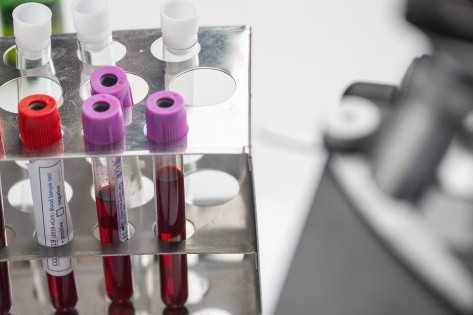
High cholesterol itself does not cause any symptoms; so many people are unaware…

Living with Heart Failure

Keep a close eye on symptoms Strategies for adjusting to life with heart failure…
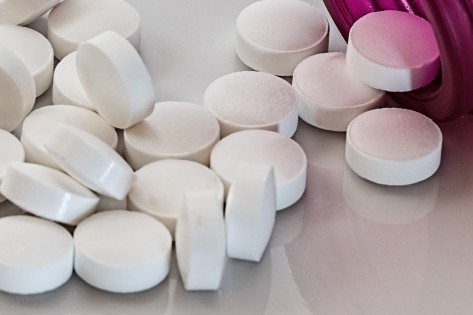
Common medications for cholesterol

Statins block the production of cholesterol in the liver itself. They lower LDL…

Accept

We use cookies to improve your experience on our website. By using our site, you agree to our cookies policy.